
For many low-income families, a hospital visit can mean more than a medical emergency—it can become a financial crisis. “There are people who would prefer to die in their home rather than go to hospital because they can't afford it,” says Javed Ahmed, Managing Director and CEO of Jubilee Life Insurance, describing a reality in which seeking treatment can mean taking on a loan that families may spend years repaying.
Jubilee Life’s response, he says, was to make its microinsurance product cashless from day one: eligible customers can present their Jubilee card at a hospital and, within the limits of their coverage, have the bill settled directly with the hospital.
In this interview, Javed Ahmed discusses Jubilee Life’s role in pioneering microinsurance in Pakistan, the evolution of health insurance, and the industry’s efforts to make insurance more accessible to lower-income households.
Javed Ahmed has spent decades in Pakistan’s insurance industry, beginning his career at State Life before moving to EFU Life and later joining Commercial Union. Following its acquisition, he was appointed CEO of the company, which later became Jubilee Life Insurance. He describes its early years as those of a small company making losses before it grew into the largest private-sector life insurance company in Pakistan, according to his account.
One of the areas Javed Ahmed identifies as particularly significant is microinsurance, which Jubilee helped pioneer as a way of extending insurance coverage to lower-income segments of the population. Unlike conventional insurance models that may require customers to pay medical expenses first, Jubilee’s cashless microinsurance model allows eligible policyholders to present their card at a hospital and have treatment costs settled directly with the hospital, within the limits of their coverage.
The distinction is important for families with little disposable income. As Javed explains, hospitalization can otherwise force people to borrow money to pay for treatment, potentially leaving them repaying that debt for years. By removing the need for an upfront payment, cashless insurance can provide a more practical form of financial protection for people who might otherwise struggle to access hospital care.
He says the model has since attracted other insurers, with companies beginning to develop their own microinsurance offerings after seeing that the model could be sustainable. He says microinsurance has now become a substantial contributor to Jubilee Life’s business and estimates that the wider market has around 25 million microinsurance customers. He also points to the growth of health insurance more broadly, noting that the sector has developed substantially over the past 25 years.
Yet affordability remains a central challenge. Pakistan has a low savings rate and relatively low insurance premiums as a share of GDP, which he links to limited disposable income among large sections of the population. He argues that the industry must change the way people perceive insurance—not simply as another expense, but as an essential part of household financial planning. He also believes insurers need to communicate more clearly that they are there to pay claims, not simply collect premiums. As an example, says Jubilee Life recorded around Rs59 billion in written premium last year and paid around Rs54 billion in claims.
The next phase could be increasingly digital. From purchasing policies and paying premiums to submitting claims and receiving payments, mobile technology could make insurance more seamless and accessible. Government-backed schemes and greater collaboration across the industry could further expand coverage. He also points to recent government initiatives, including compulsory insurance measures in Sindh, as signs of potential progress if such measures are effectively implemented and extended.
For Jubilee Life, the evolution of microinsurance reflects a broader question for Pakistan’s insurance sector: how can financial protection reach lower-income households that may otherwise struggle to afford healthcare and insurance? As cashless and digital models develop, the answer may increasingly lie in making insurance simpler, more accessible and more relevant to the everyday financial decisions of Pakistani households.
What role do you think insurance companies and the government should play in making healthcare more affordable for low-income families? Share your thoughts in the comments below!
This article was developed with the assistance of AI tools.
More Videos From This Campaign
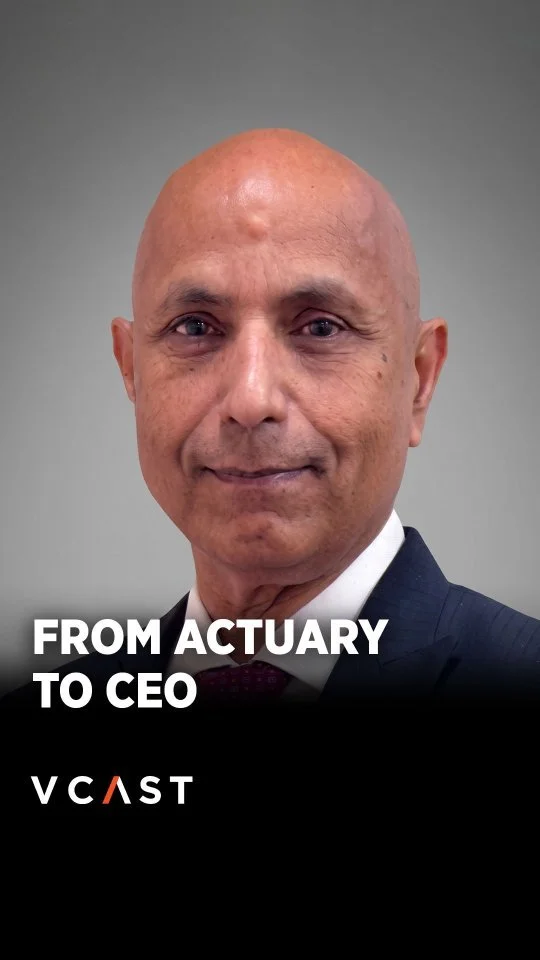
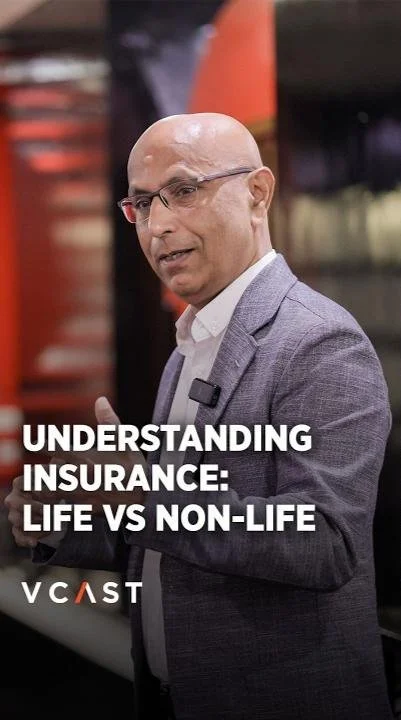
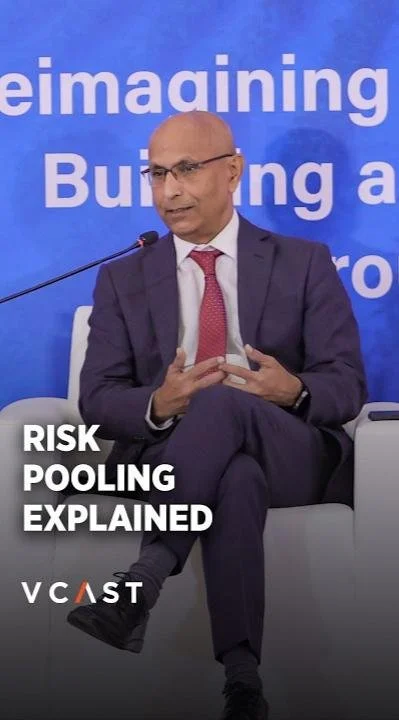
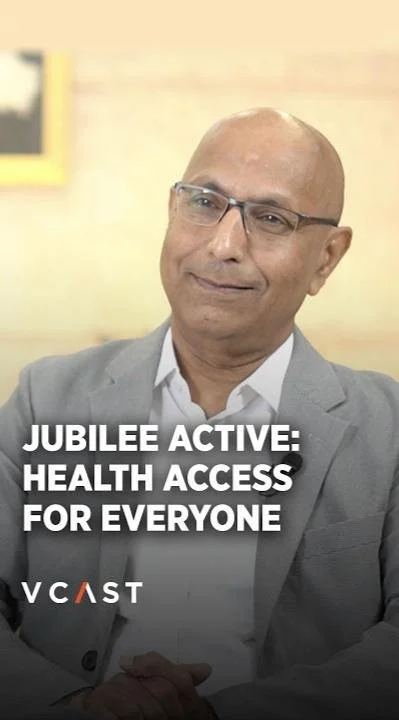
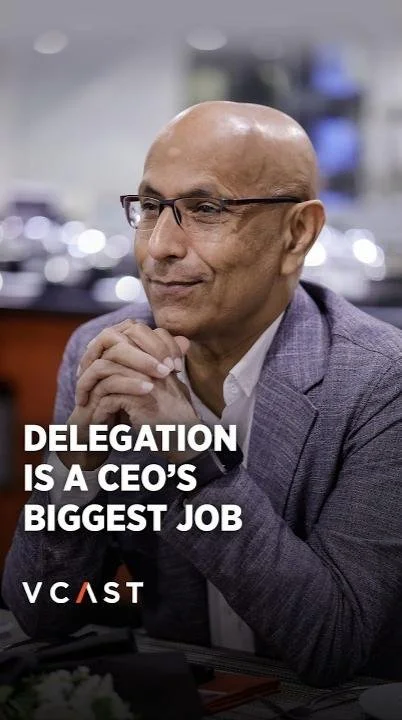
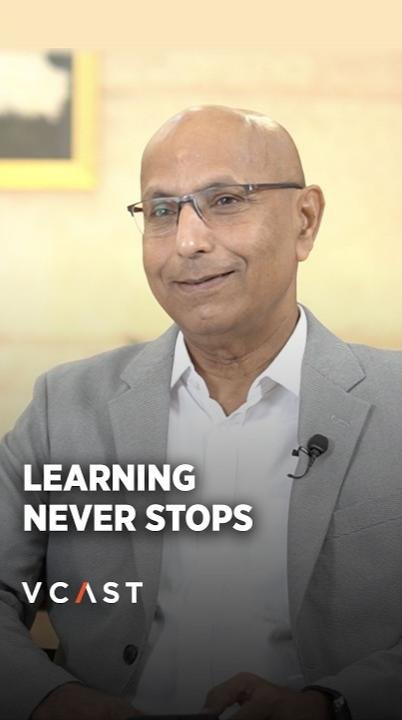
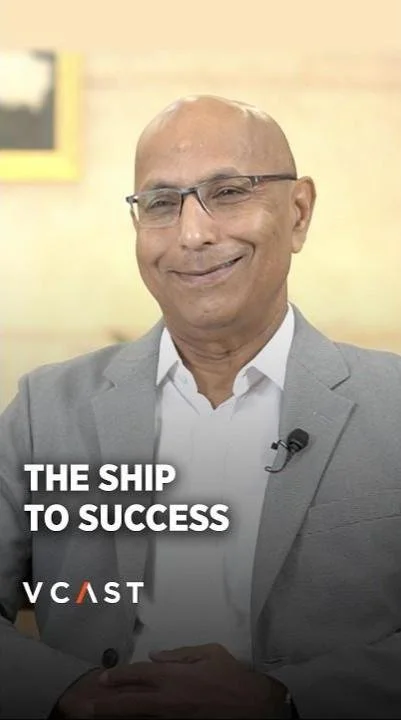
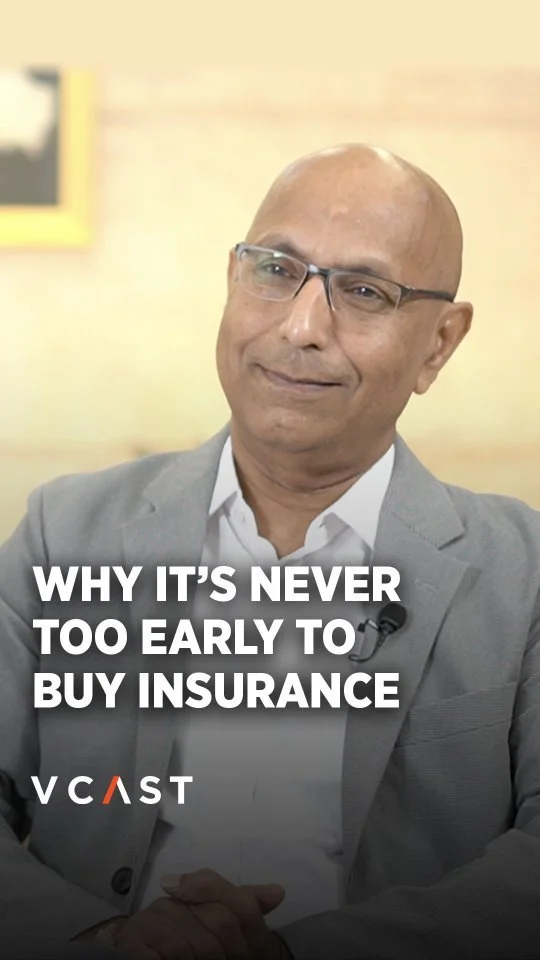


Javed Ahmed on how Jubilee Life pioneered cashless microinsurance in Pakistan, making healthcare more accessible to lower-income families while technology continues to reshape the insurance industry.